
“What else to you do, besides work for Innetech?” Asks random person at holiday party or work event.
“I’m an author,” You reply, holding a cookie decorated like a wreath.
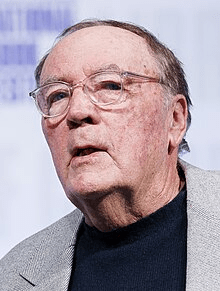
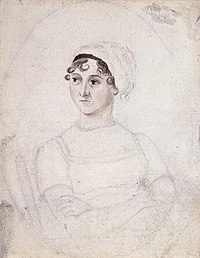
“Like James Patterson or Jane Austin?”
“Not exactly,’ You pause searching for a quick answer, wanting to bite the cookie instead of going into details you know the rando will not remember. Or you try to decide if it is even remotely possible to get this person to get buy one of your books. Admit it, you are always thinking about it.
I’m guessing I’m not alone among indie authors out there this Holiday Season in trying to explain to a stranger, or even family and friends, what an independent, or indie author, does and why. I sometimes get that question, and when I do, I’ve never felt like I’ve done a very good job explaining myself. I always seem to come off as a deluded, confused, introvert who’d rather spend hours alone at the laptop doomed to remain anonymous, penniless, clueless. Sure, in my case, all that is true. But I chose that path and am quite content to remain on it.
But you may not feel the same way. So, I did a little research and came up with a few quick reasons to help you out in those awkward Holiday party moments.
Most folks immediately think all authors are, or want to be, published by traditional, or trad, publishing houses. There are only five of those remaining as we look ahead to 2025. A steady flurry of mergers and acquisitions has dominated the book publishing sector since the 1990s, which sounds familiar to anyone who works anywhere near corporate America.
And that is the best place to start. Trad Publishing is a business. They are in that business to make money. The most important factor for the Big Five is to make sure that they turn a profit. That flurry of mergers and acquisitions didn’t happen because of anything to do with prose, poetry, words, characters, editors, or anything else but the almighty dollar. In other words, traditional publishers take the financial risk upon publishing a novel, anyone’s novel. And no one is going to risk finding themselves delivering Jimmy John’s on a ten-speed in Manhattan for your latest passion project. Not going to happen. As you are talking to someone who has likely been downsized or whose company has been bought four times in ten years (like my employer), they will understand why you don’t see trad publishing as making sense.
“Love Betty’s cookies. She brings them every year.” The random person says. “So, what about indie publishing. Don’t they just press publish on Amazon and call it book?”
Now that the person has seen the wisdom of your ways, try to sell them your books. Kidding. Not yet. And don’t mention Betty just told you she heard her position is being eliminated and is going to give her two weeks, cookies be damned.
The reason I use indie publishing is to help eliminate that legacy ol’ boy referred to above. A true indie author never publishes by his or her self. It has happened on Amazon because it is so easy to do anything on Amazon, as all of us who use the “buy with one click” button can attest. One way to assure the folks you are talking to is to say something like “As an independent author I am in charge of my book’s editing, design, production, distribution, marketing, promotion, licensing and rights.” This will get their attention and empathy because Innetech is paying him or her to do five or six jobs now, with no pay increase.
You then explain that 50% of Kindle’s Top 400 for 2023 were from Indie authors. Or that as a member of the Alliance of Independent Authors, you get access to vetted professionals who help you with all aspects of indie book publishing you just mentioned. And they could even check out the Authors’ Guild’s Indie Versus Traditional Publishing for more info.
“I see what you mean. Where can I buy your books?” The newly impressed, but still random person says, ” I’m going to send one to my sister-in-law who works for Hachette in New York. I’ll keep you posted,”
“Thanks!” You say, exchanging contacts and taking a bite of the cookie. “Happy New Year!”

 Coffee Novelist